By activating Google search, you confirm that you agree to the integration and the necessary data transmission to Google. If you want your browser to remember this decision, a cookie with a validity of 31 days will be stored.
Alternatively, you can also search with the free search engine DuckDuckGo!
Physics Research Profile at the University of Wuppertal
CERN
Physics Research Profile at the University of Wuppertal
Experimentiertag - Du und dein Gehirn / www.fz-juelich.de
Physics Research Profile at the University of Wuppertal
Our research...
… is divided into experimental physics, theoretical physics, imaging, and education.
Experimental Physics
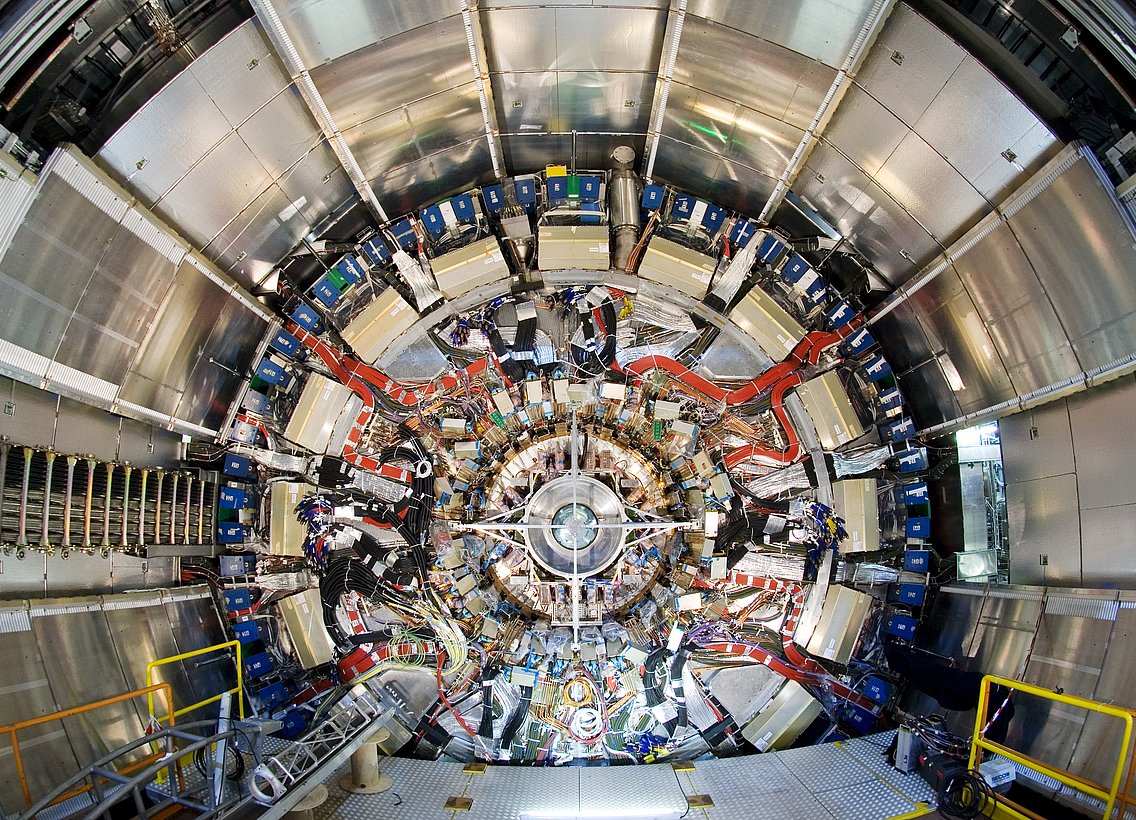
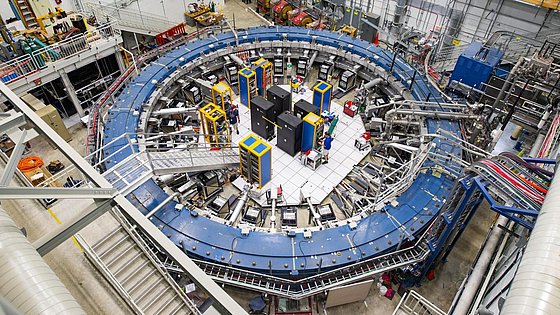
In experimental particle physics, we conduct research using ATLAS and CMS at CERN’s Large Hadron Collider. In particular, our work focuses on the properties of the top quark and the discovery of new interactions. This also includes data evaluation and analysis, as well as hardware work on the inner track detector.
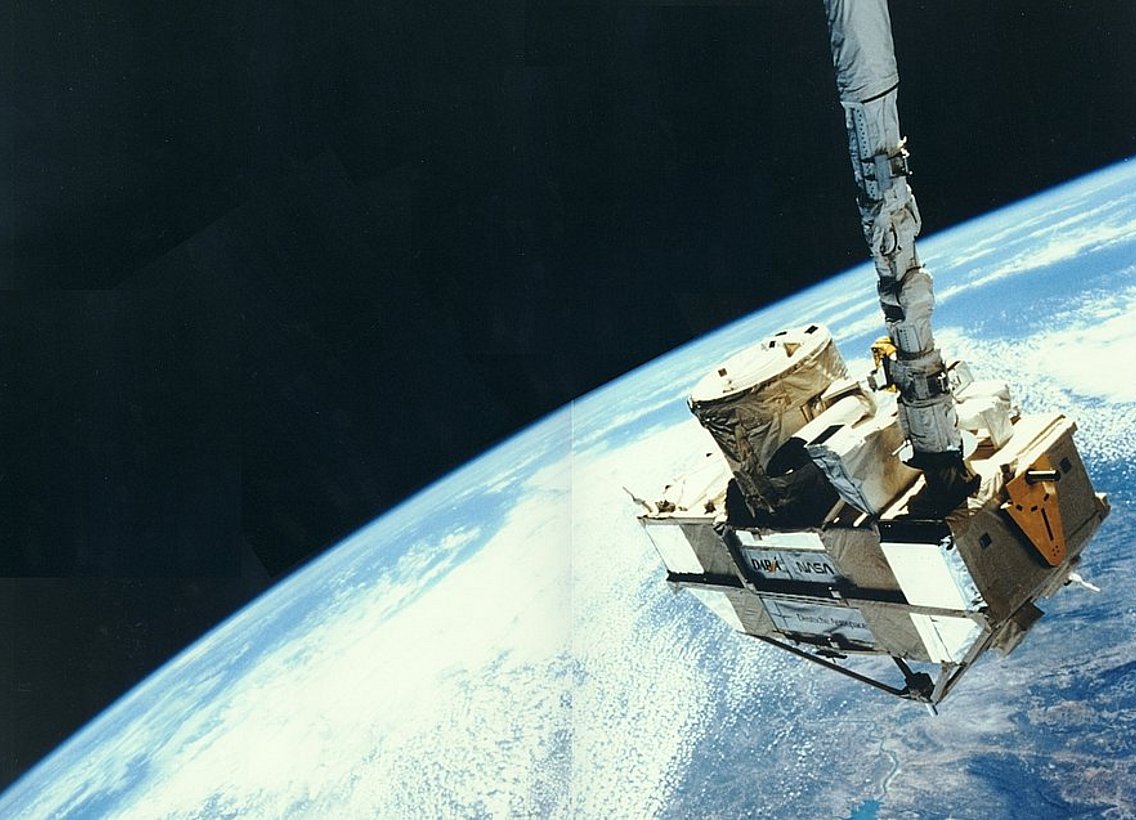
Astroparticle physics is dedicated to measuring high-energy cosmic particle radiation in order to understand astrophysical processes in the universe. The physical reconstruction of these phenomena and their sources is achieved through large-scale detector experiments.
With a focus on physical processes in the atmosphere, our atmospheric physics research examines energy, radiation, and mass transport, as well as the associated understanding of weather, climate, and atmospheric composition.
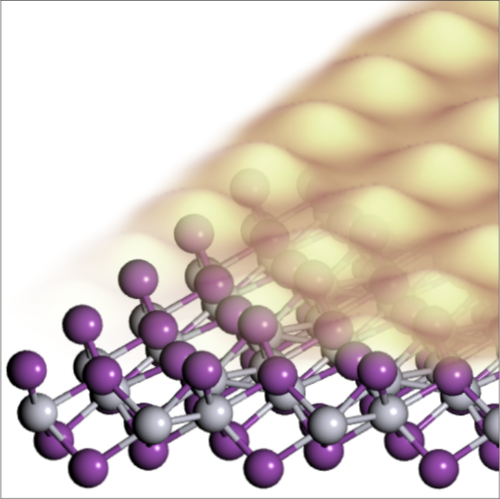
Our solid-state physics group investigates quantum matter and nanoscale materials using high-resolution scanning tunneling microscopy, X-ray-based techniques, and transport experiments.
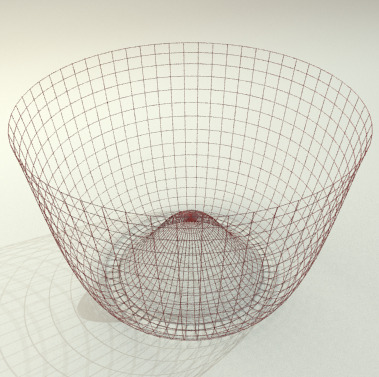
In theoretical particle physics (lattice theory), we simulate quantum field theories of particle physics on lattices to investigate the behavior of quarks and gluons as well as the phase diagram of the strong interaction.
In our mathematical physics research, we analyze integrable lattice models and quantum field theories. We develop mathematically exact models of quantum and statistical physics to describe effects in strongly correlated systems.
The goal of our work in many-particle theory is to study quantum mechanical many-particle systems. We analyze how phenomena (e.g., magnetism) arise from microscopic interactions and how the properties of such systems change under various external conditions.
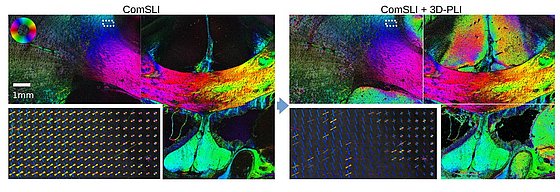
We combine high-resolution imaging, simulations, and high-performance computing to reconstruct the structural architecture of the brain's nerve fibers and understand neural connectivity.
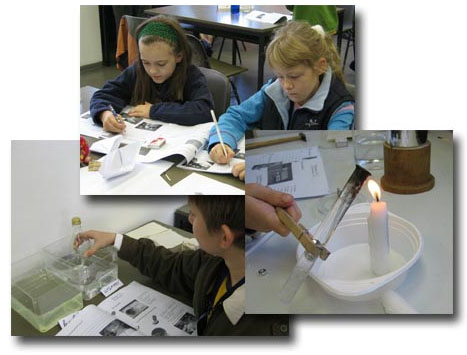
In physics didactics, we investigate how people understand and learn physical concepts, and based on this, we develop teaching and learning methods that improve the understanding of physics.